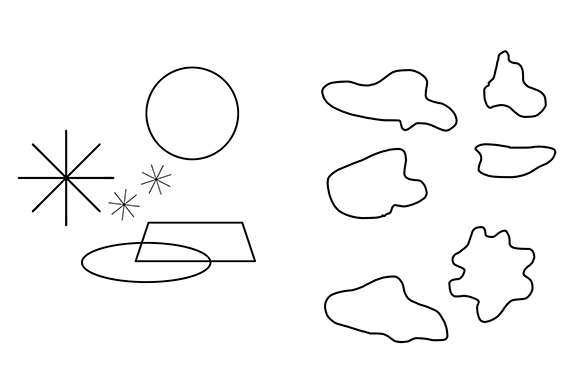
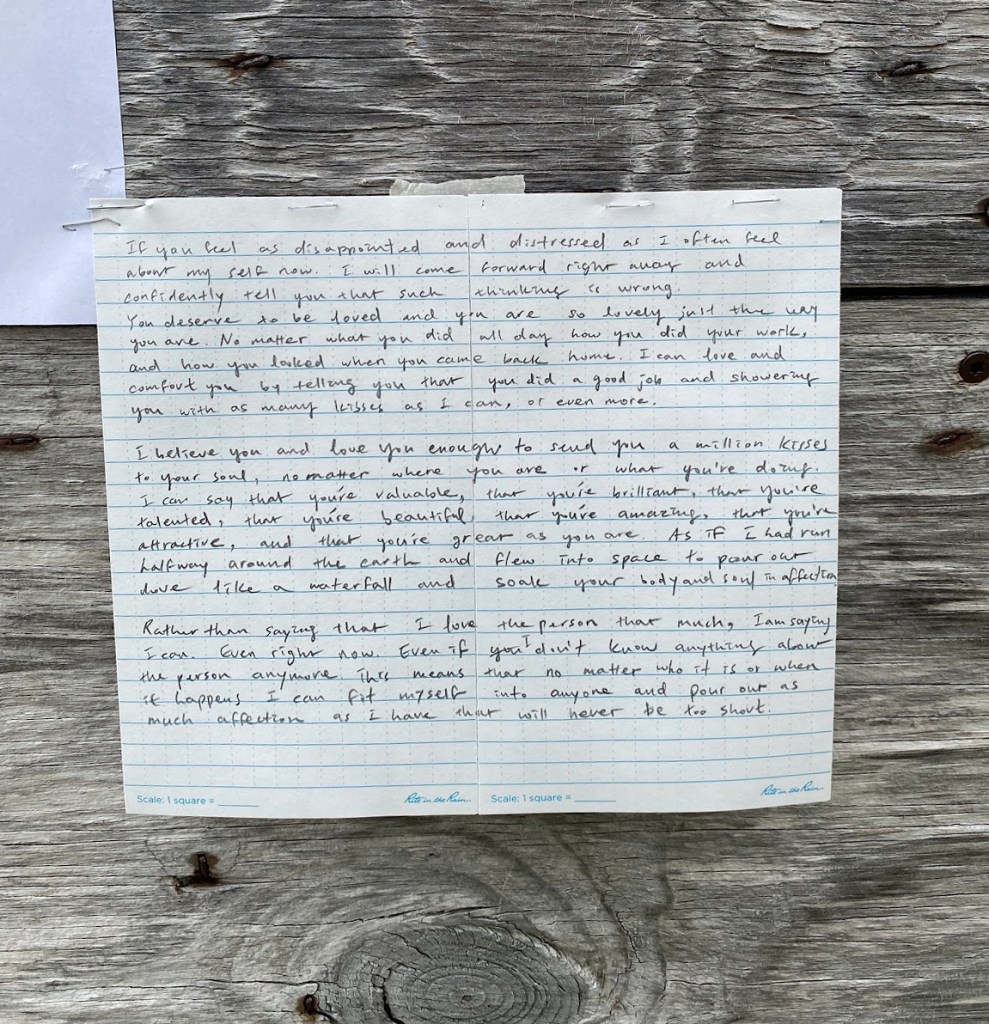
This project was set and practiced in Ísafjörður in 2024. I used the original text that is a letter of affection extracted from a diary. I translated the text using machine translation in a number of languages used in the town at the moment. Then I personally contacted the people who speak each language and asked for a grammatical correction. The process involved person-to-person interaction, conversation on relationships and literature, and languages.
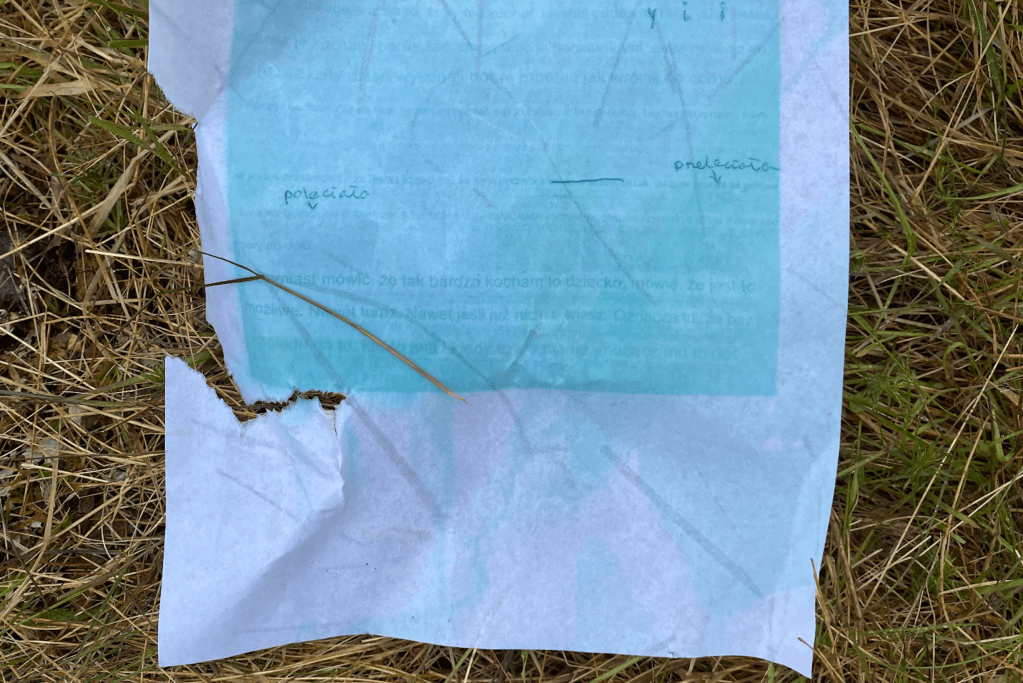
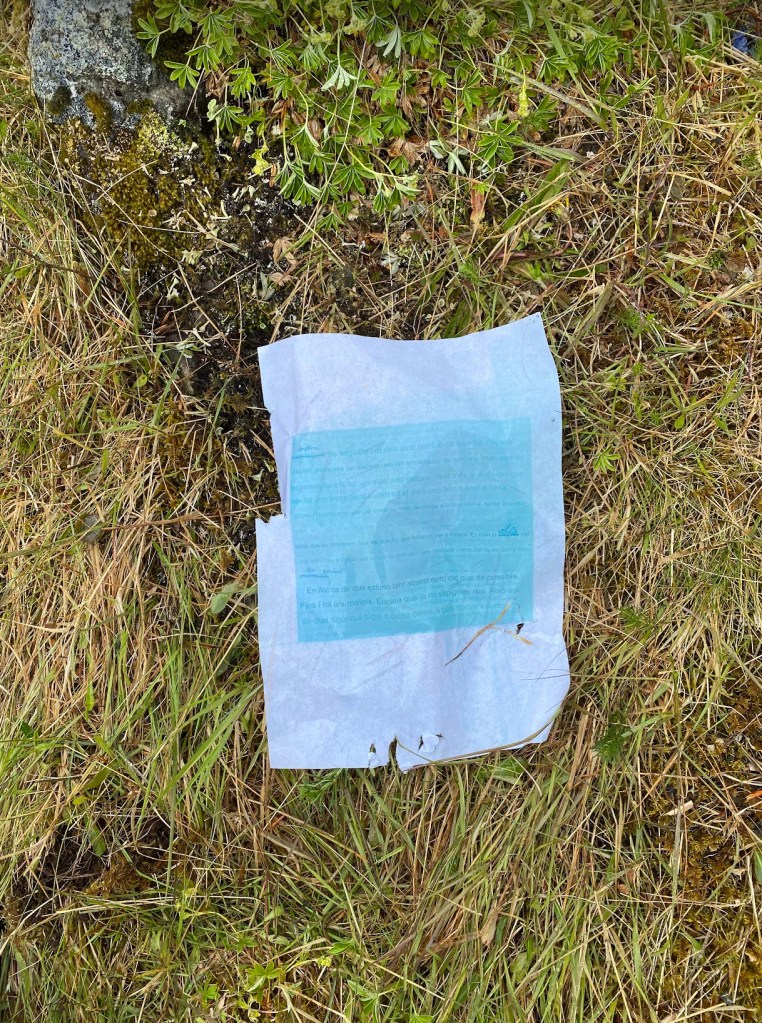
These papers with personal corrections were exhibited on the board with some drawing depicting the environment nearby, in the middle of the field. All the papers shown on it got weathered in the end, obtained the touch of water, wind, and time.
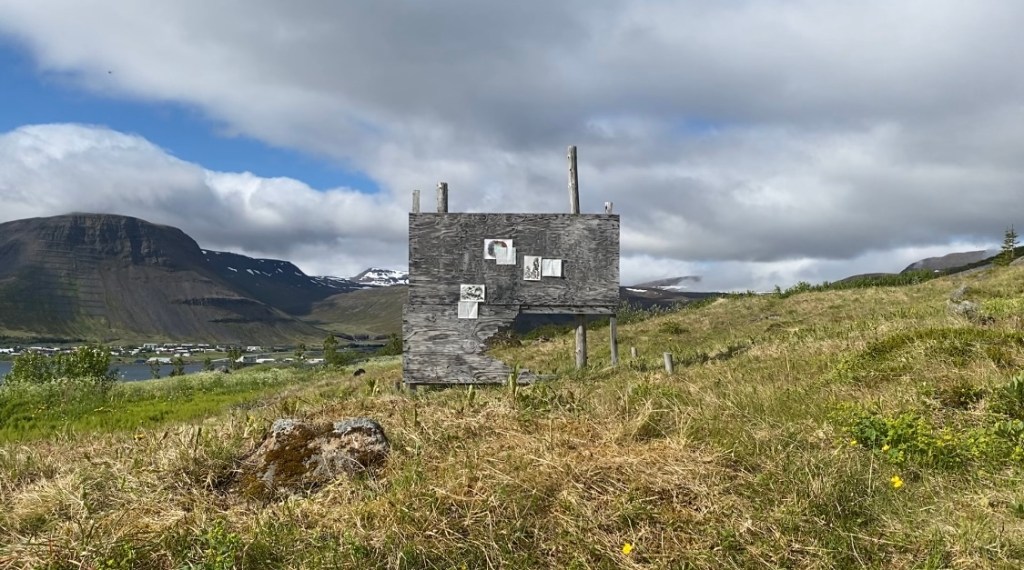
View on the 28th Jun 2024
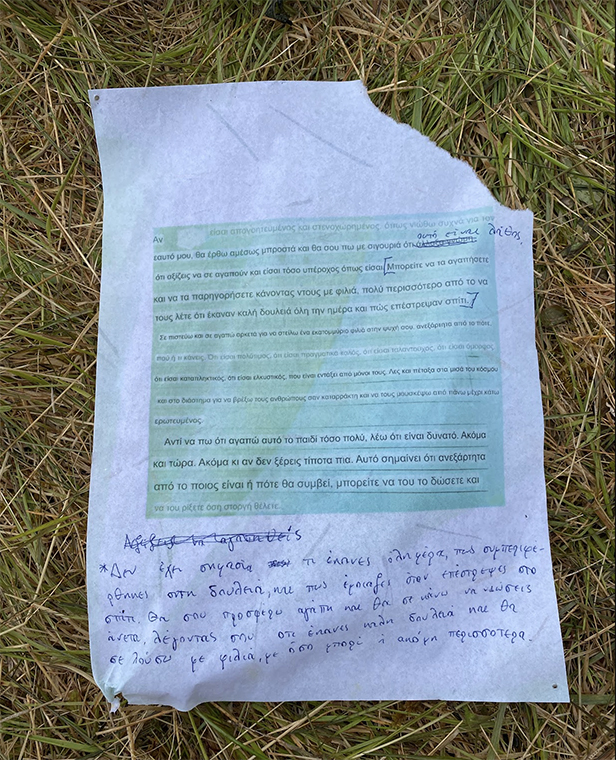
Using auto-translation by Google (operated on 1 Jun 2024, and 12 Jun 2024), I translated the letter into Arabic, Catalan, Chinese, Greek, Polish, Thai, and Icelandic, and then re-translated it into English. Each result produced small differences and misinterpretations. But it still holds the original emotions and a message.
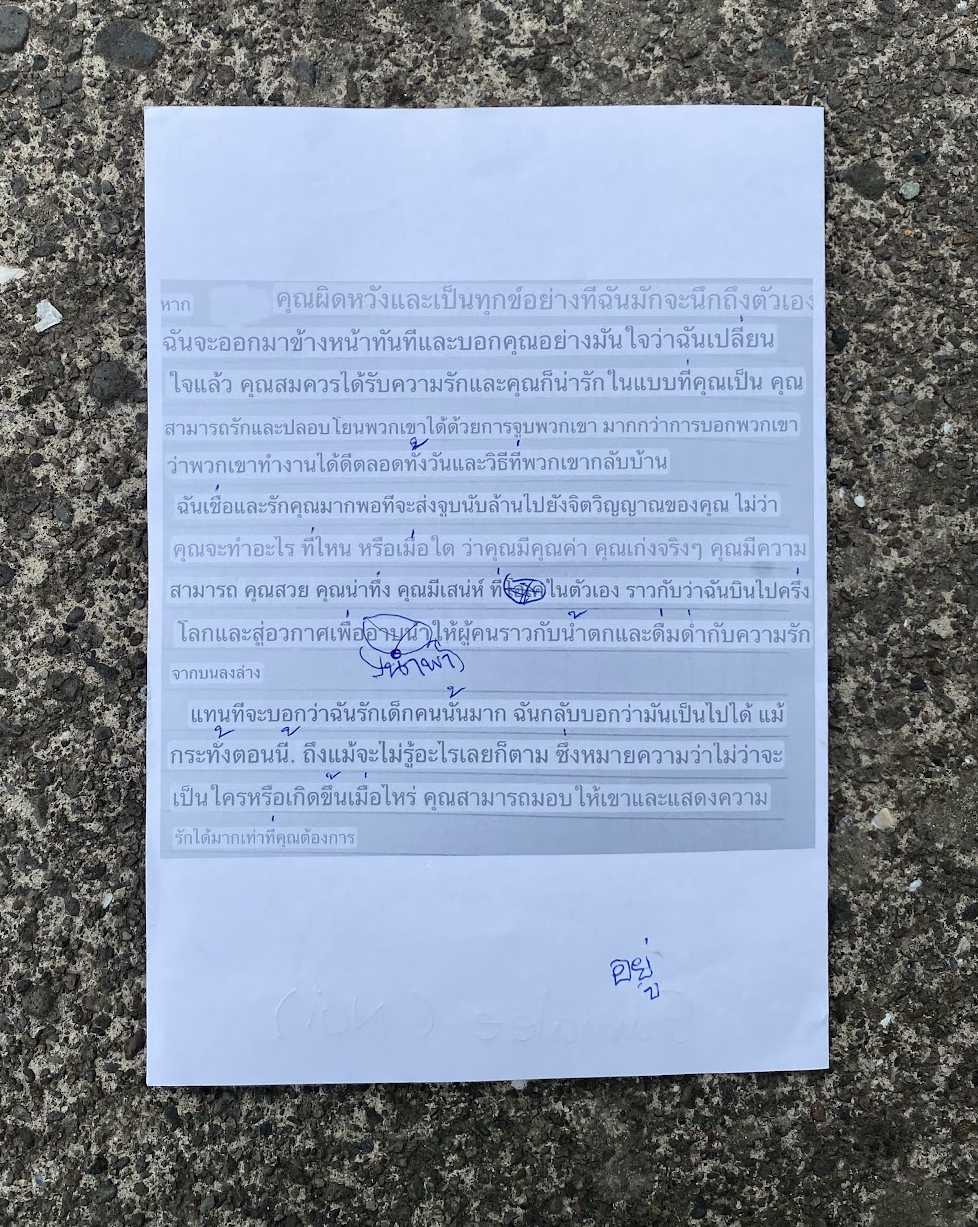
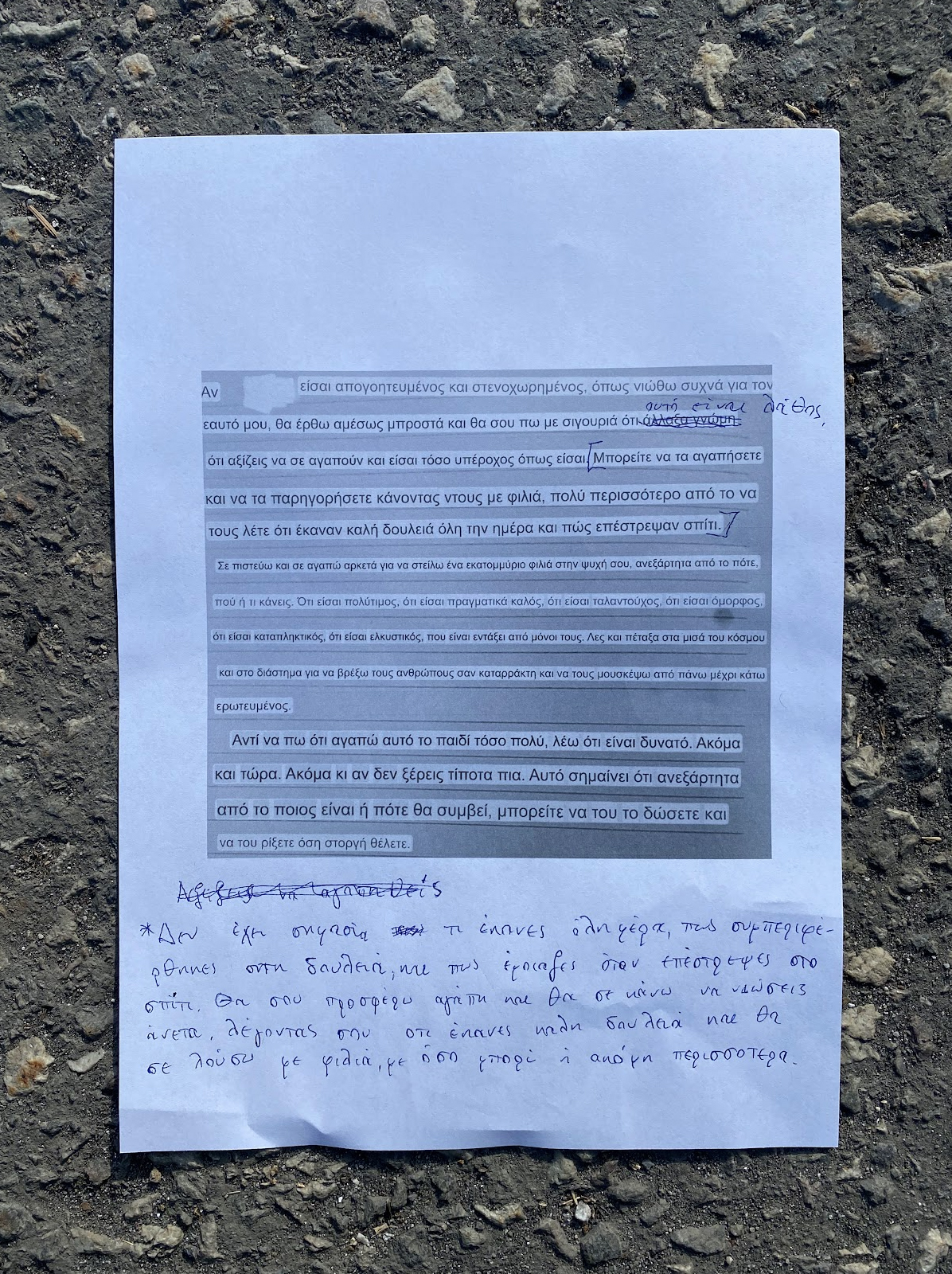
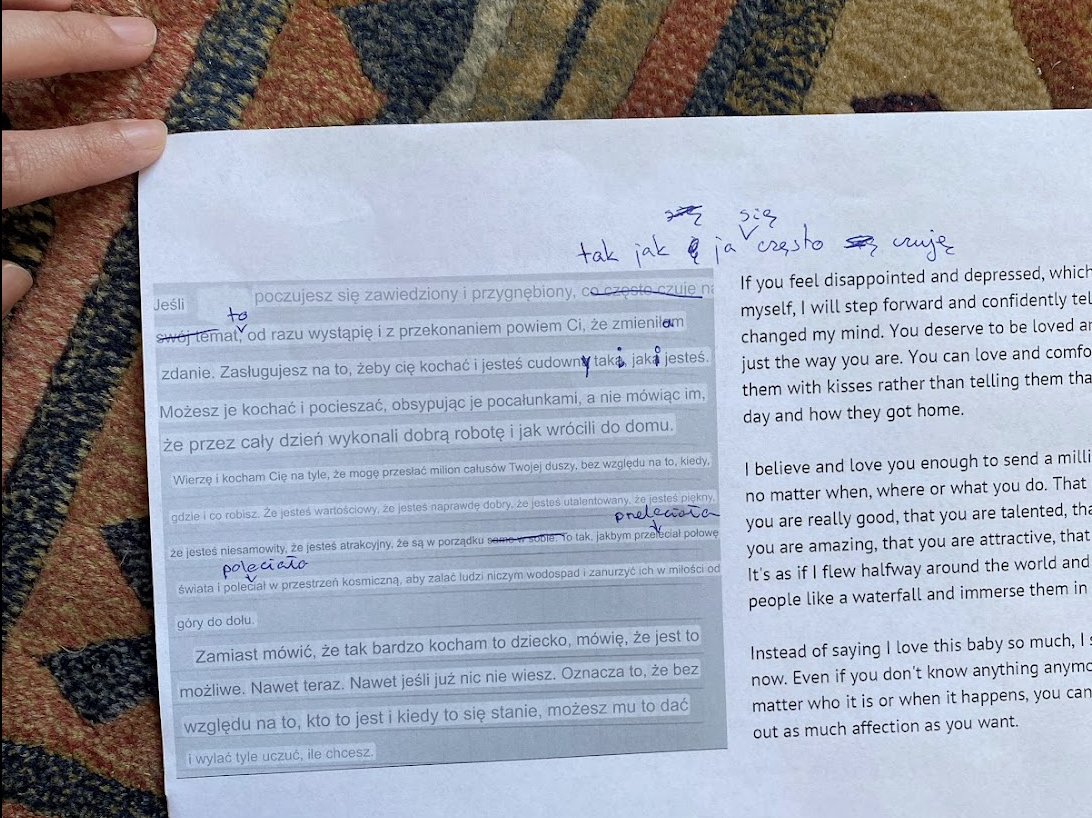
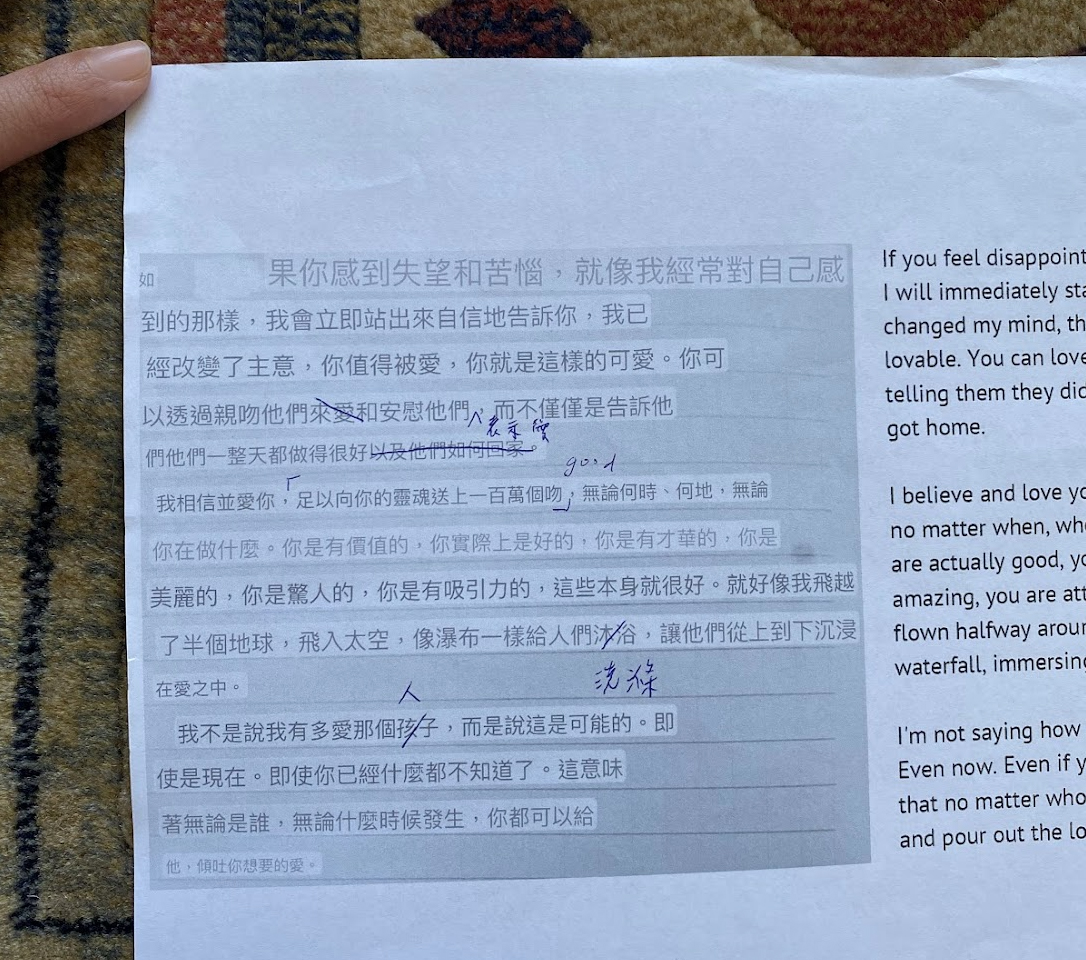
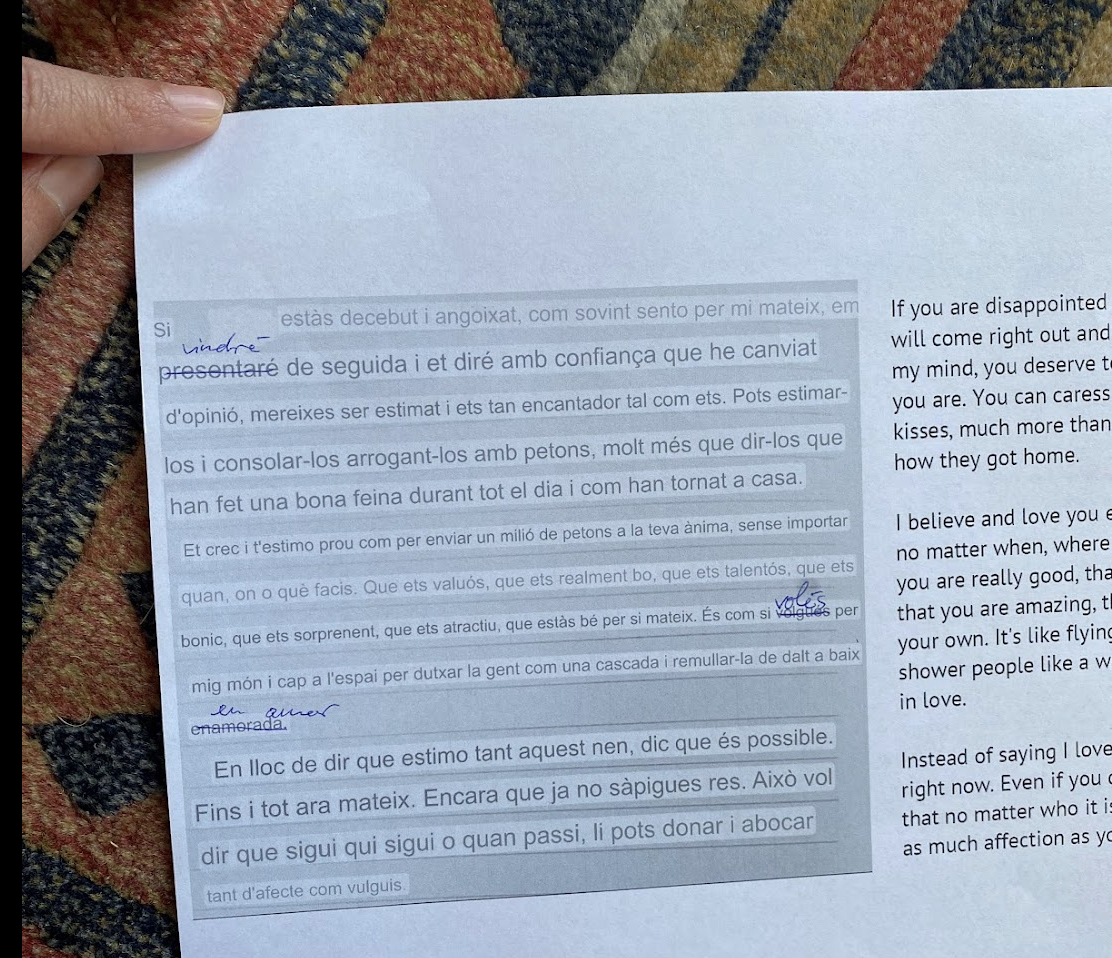
I asked for help corrections from people in Ísafjörður who have each language as their mother tongue. Ιωάννα Χαριτίδου (for Greek), Sumalee, a.k.a. Noi (for Thai), Sonia Sobiech (for Polish), Swen Schmitz Coll (for Catalan), and Yiwen Chen (for Chinese(traditional)) read each text and corrected miss-used words and mended some expressions.
This work consists of an image of the automatically translated text, content manually corrected over it, and three letters handwritten in pencil on weatherproof paper containing the original Korean text, the English translation, and the Icelandic translation (translated by Elísabet Gunnarsdóttir). Watercolour drawings featuring colours and details inspired by the nature of Ísafjordur are also juxtaposed between the texts.
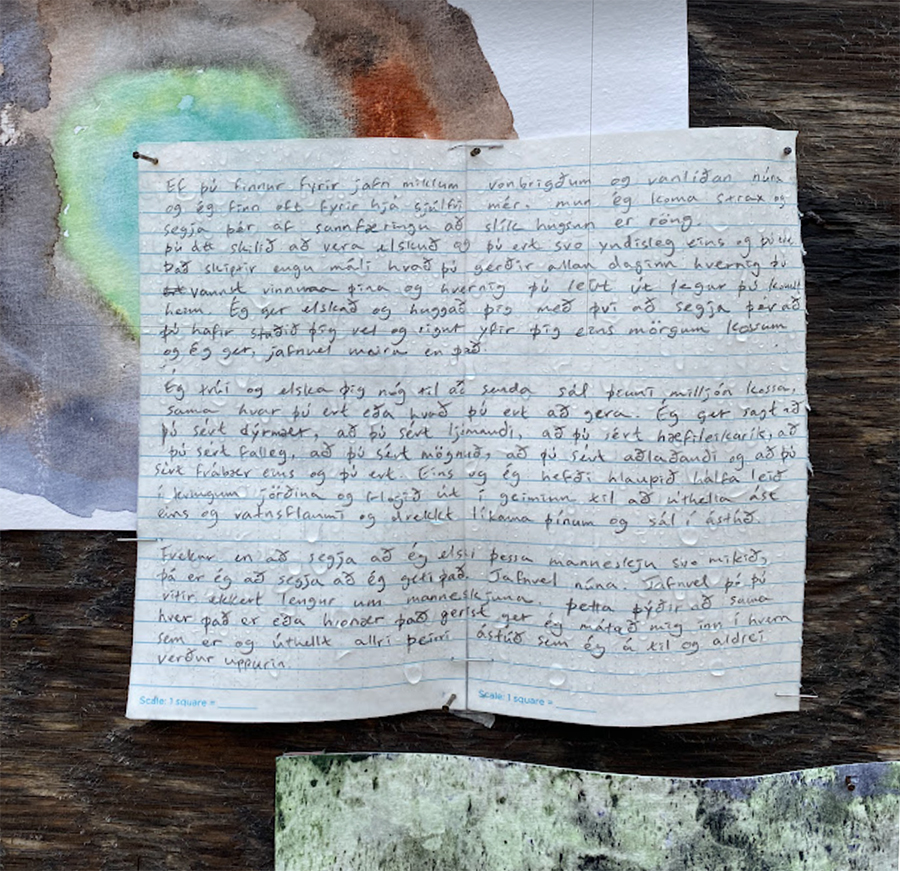
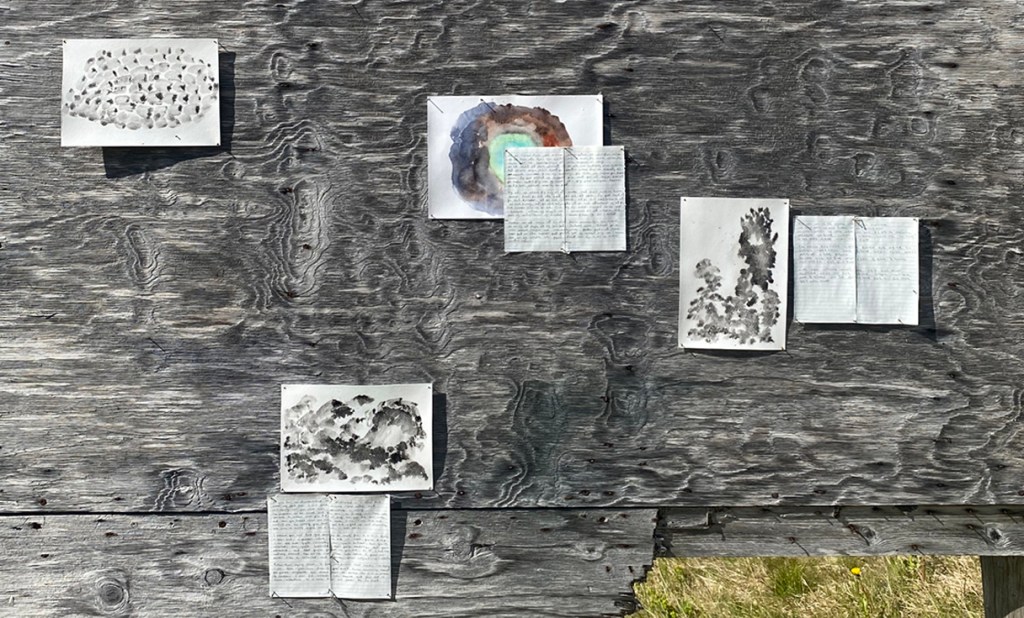
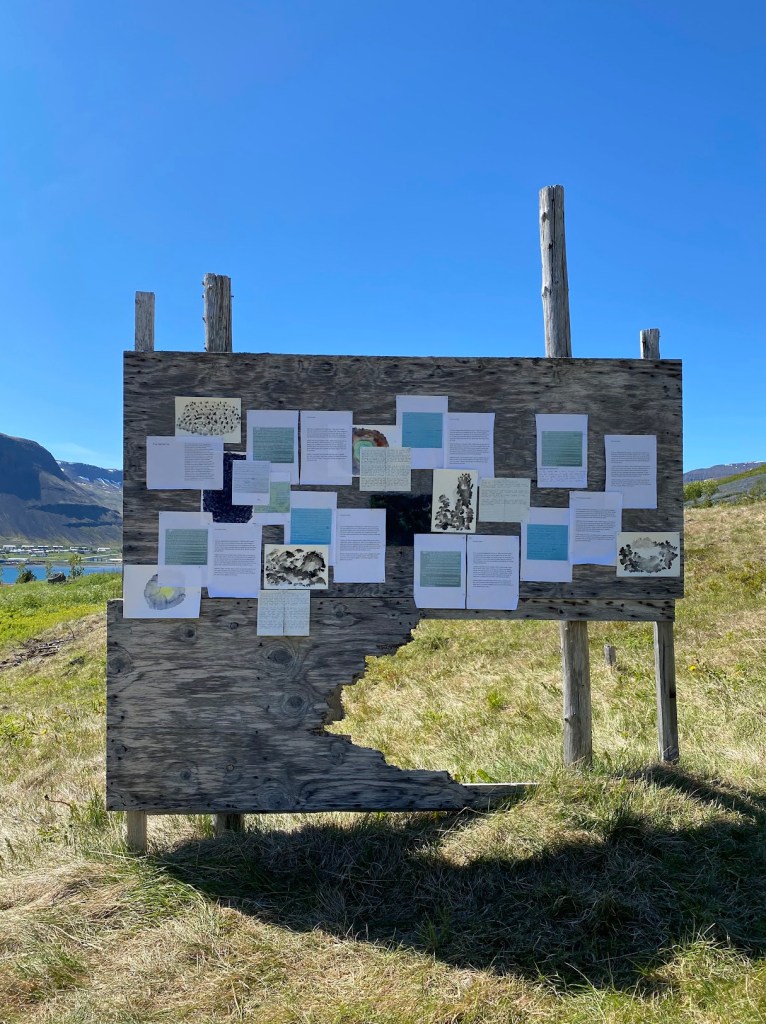
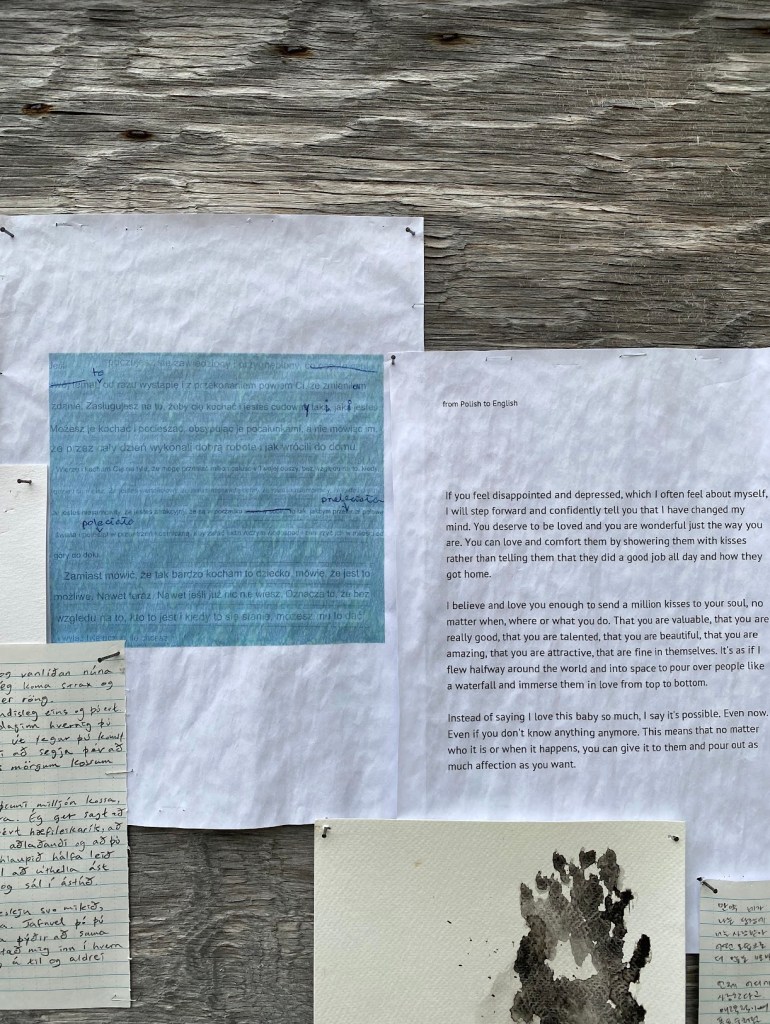
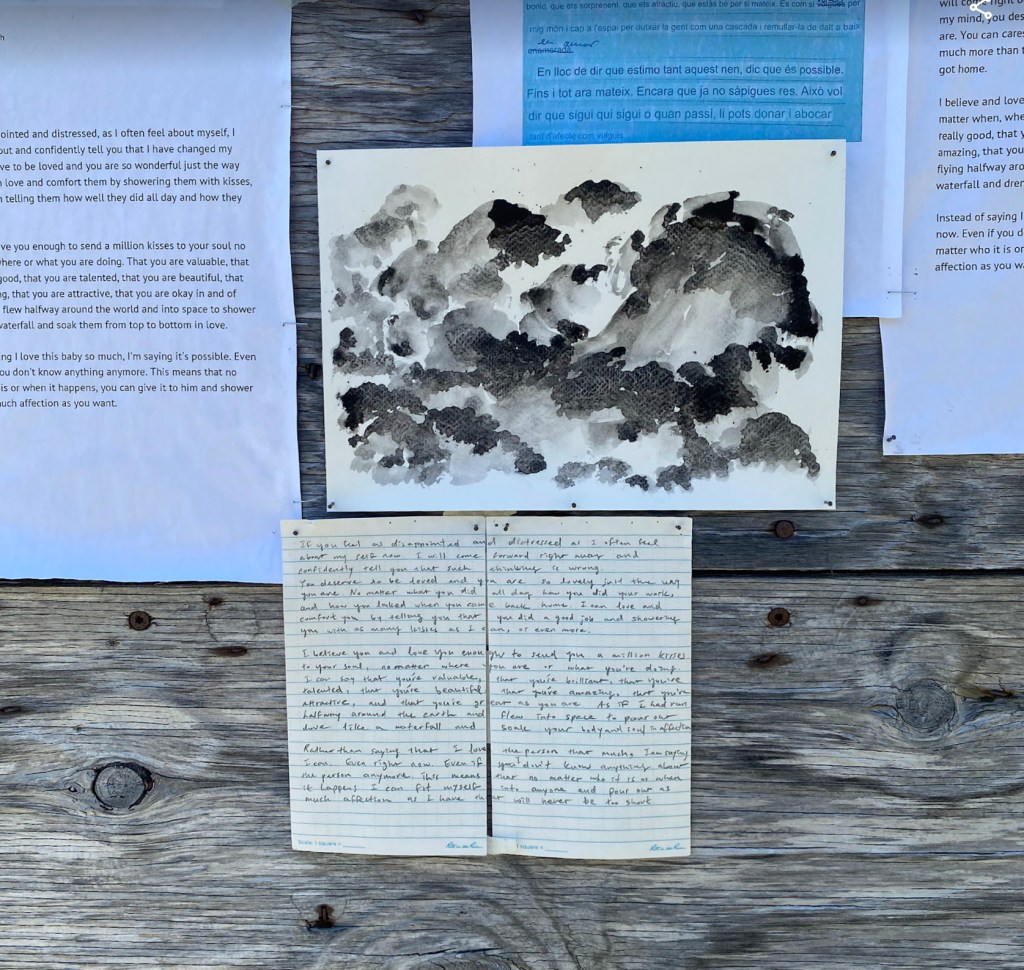
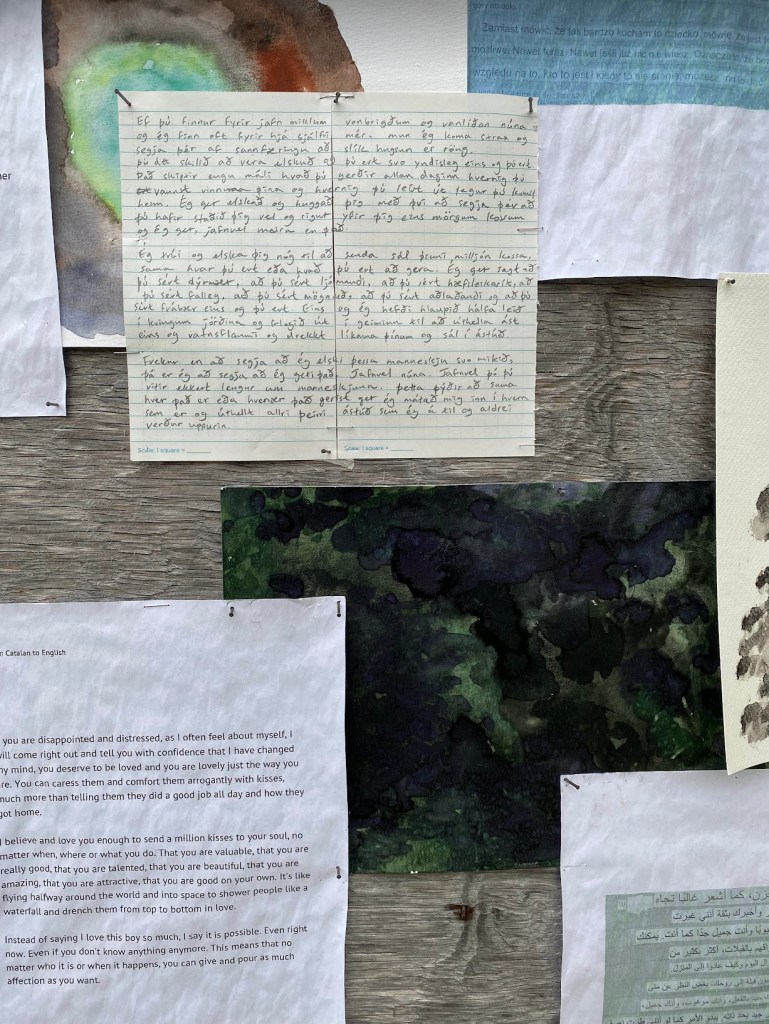
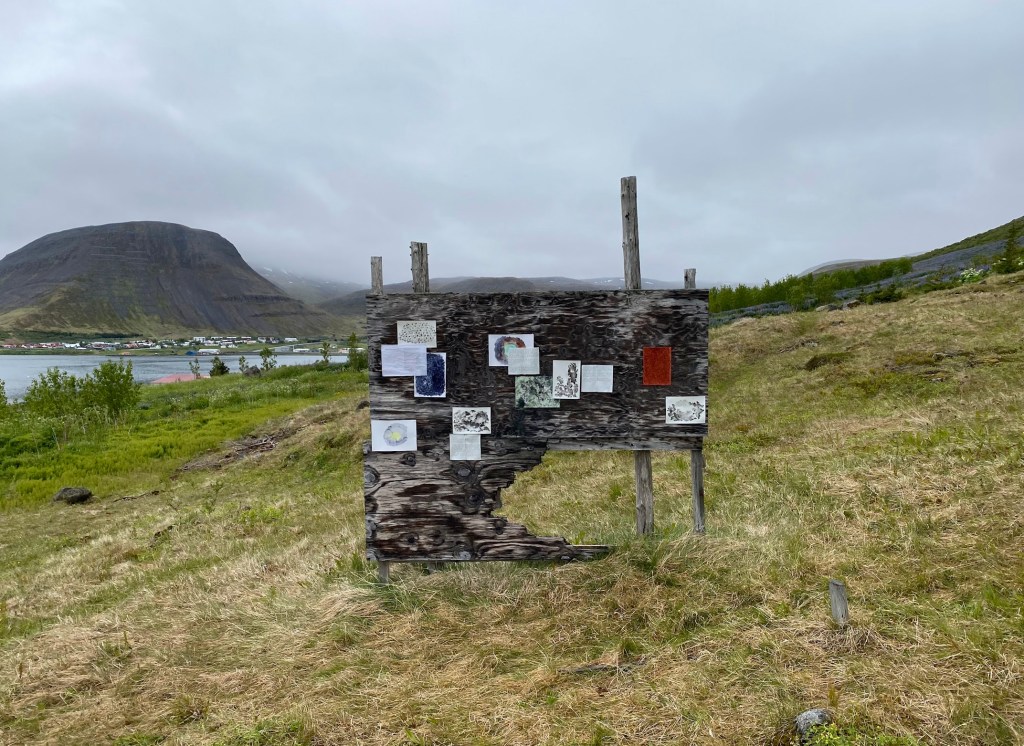
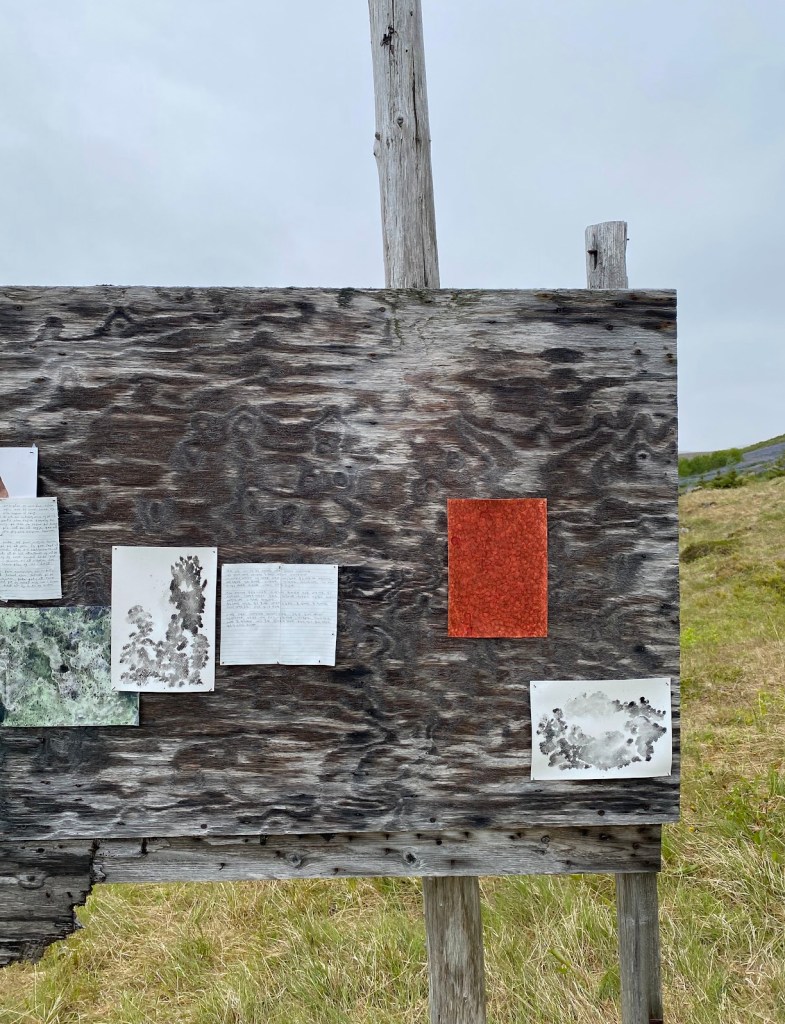
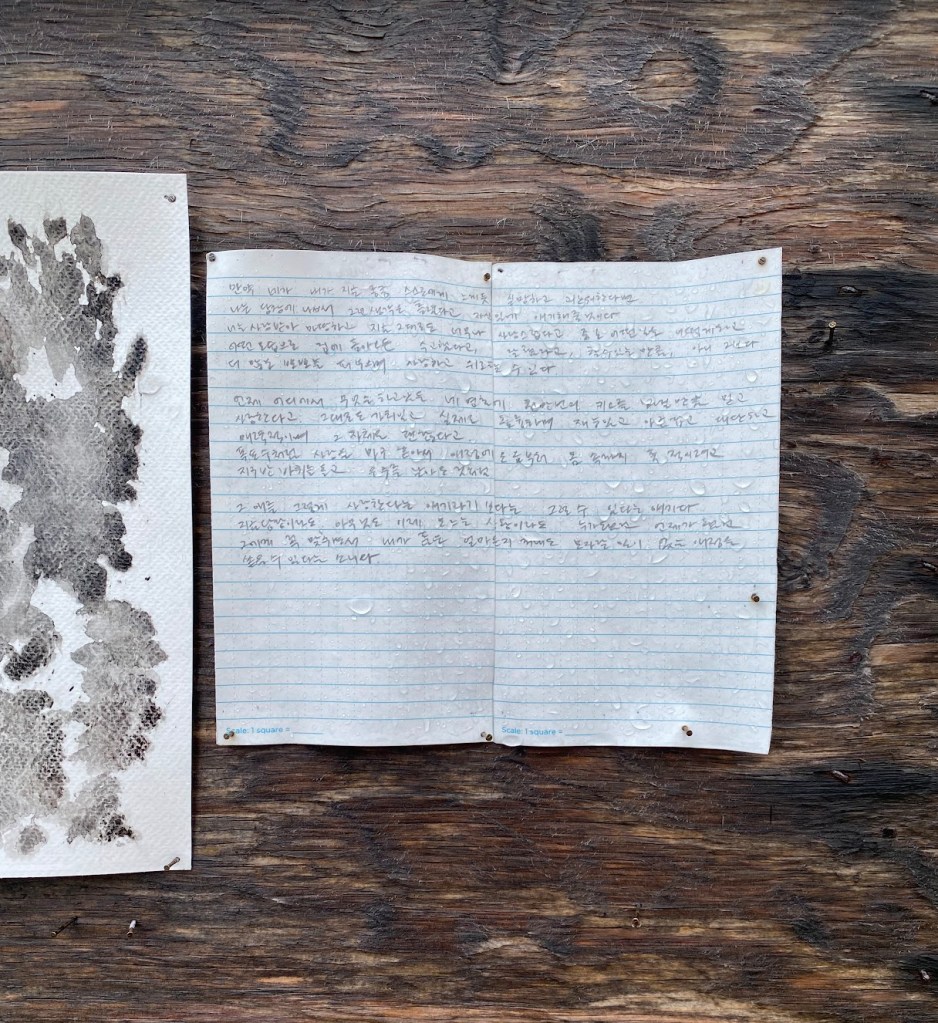
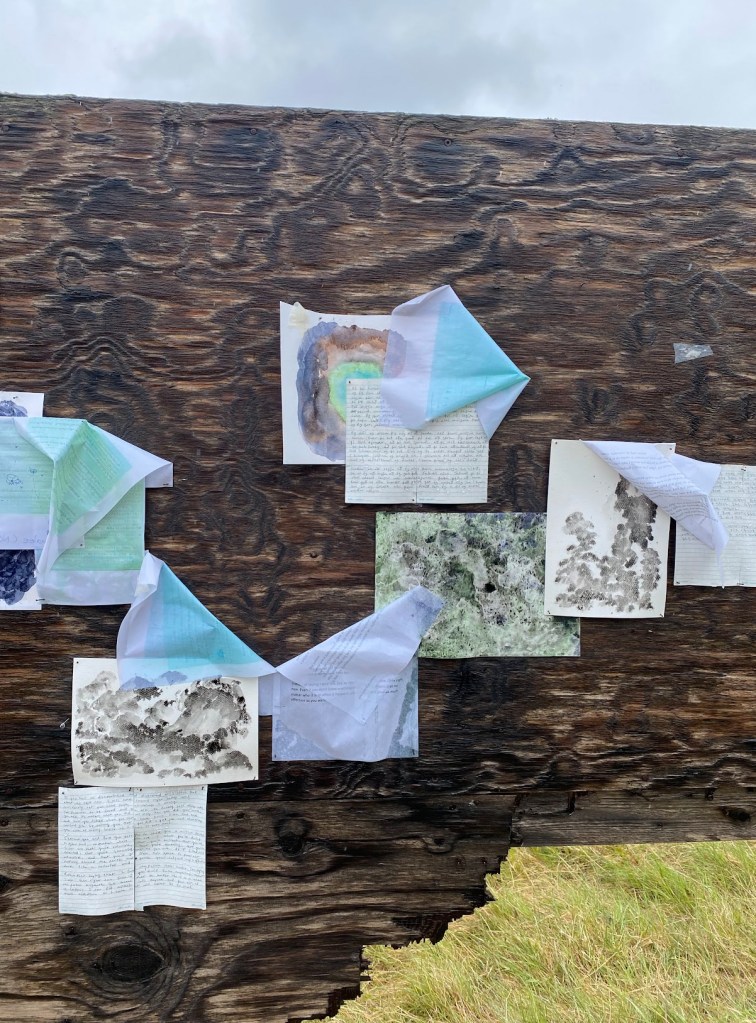
All was displayed on a board in the middle of a field for a total of 12 days. As time and weather changed, the content of the exhibition also changed. When the printed paper got wet with raindrops, the printed text became blurry, and only the corrected parts became clearer. As the papers became wet and fluttered in the wind, some of them tore, and dust adhered to them, leaving traces on the surface. Such experienced drawings were removed, and new drawings were added.
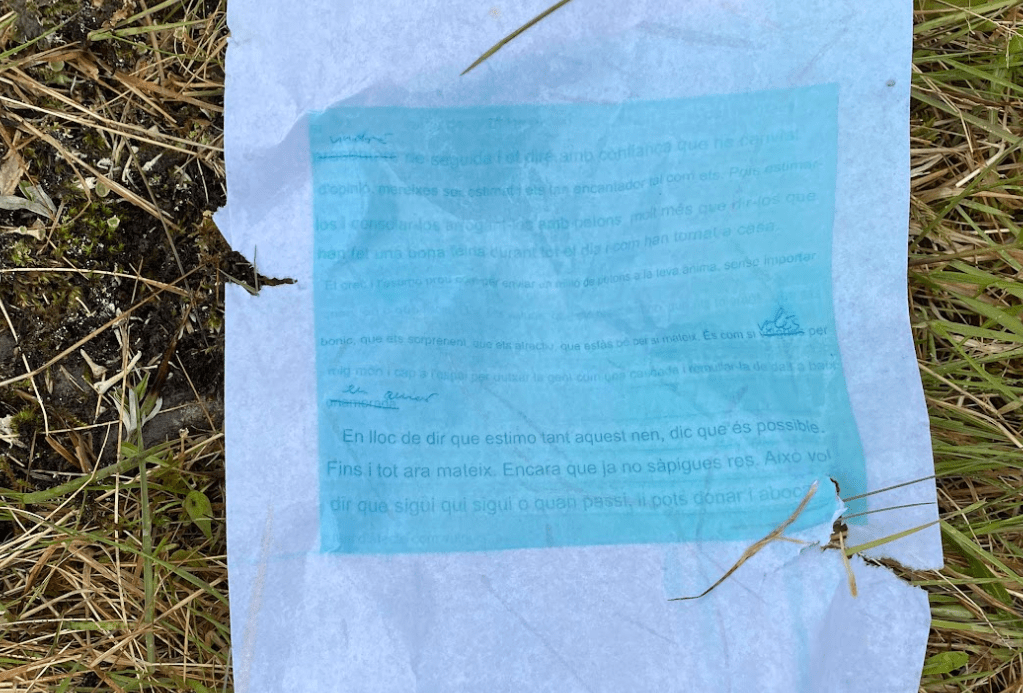
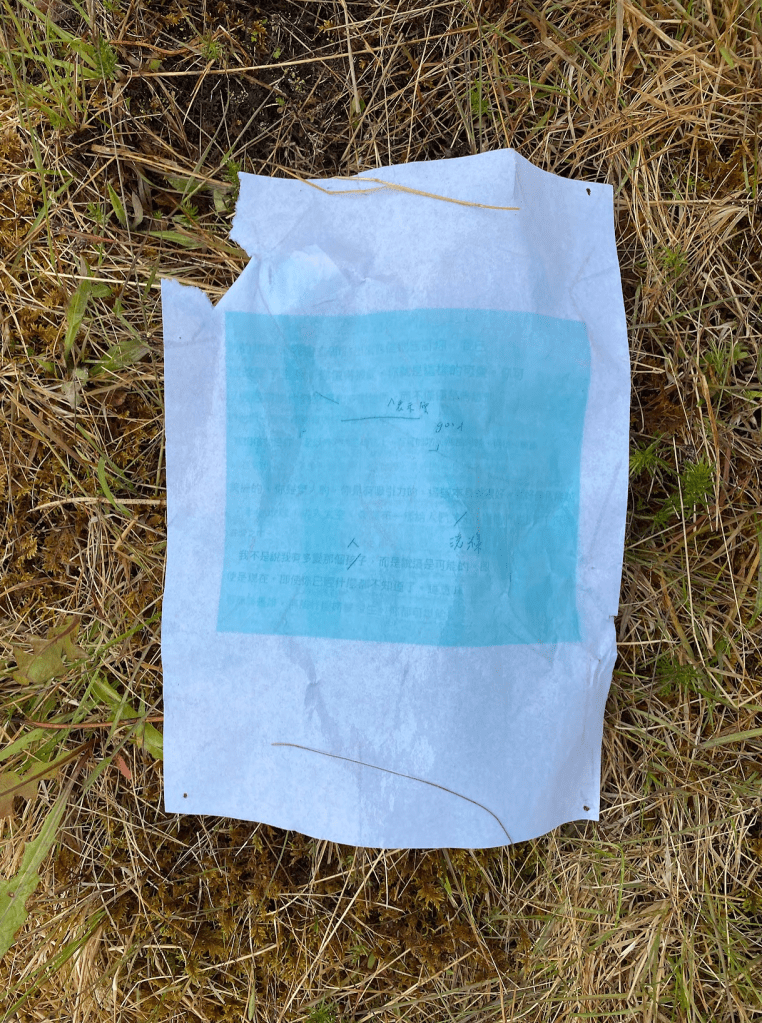
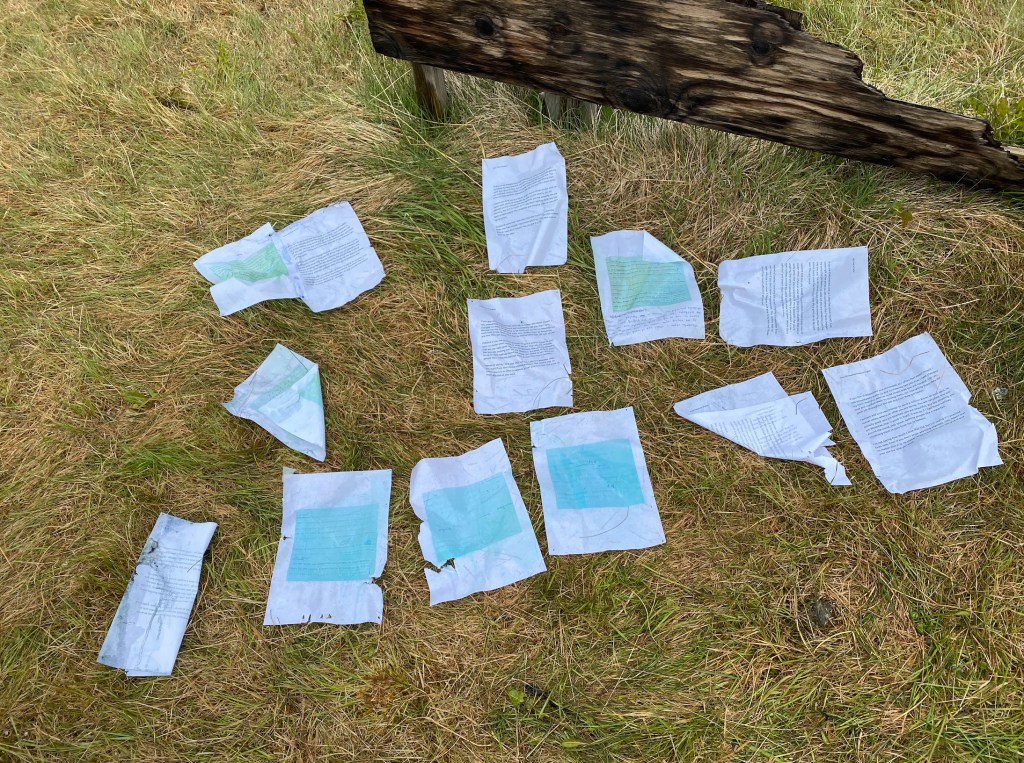
In the end, there were papers left that hadn’t changed their contents after that time.
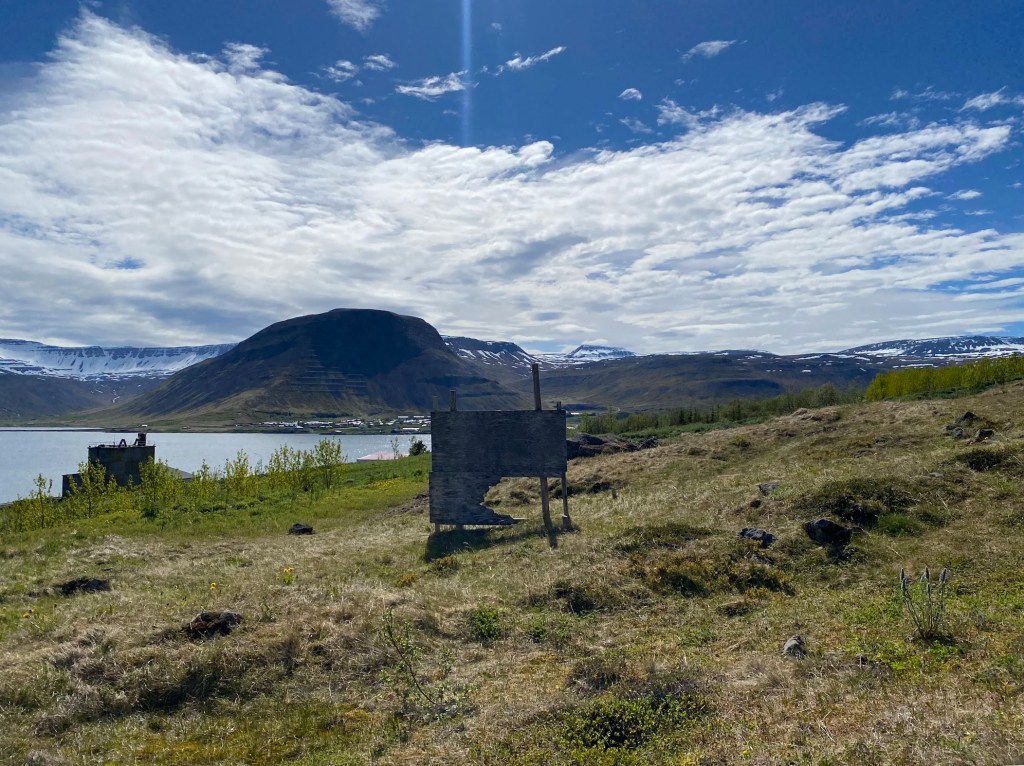
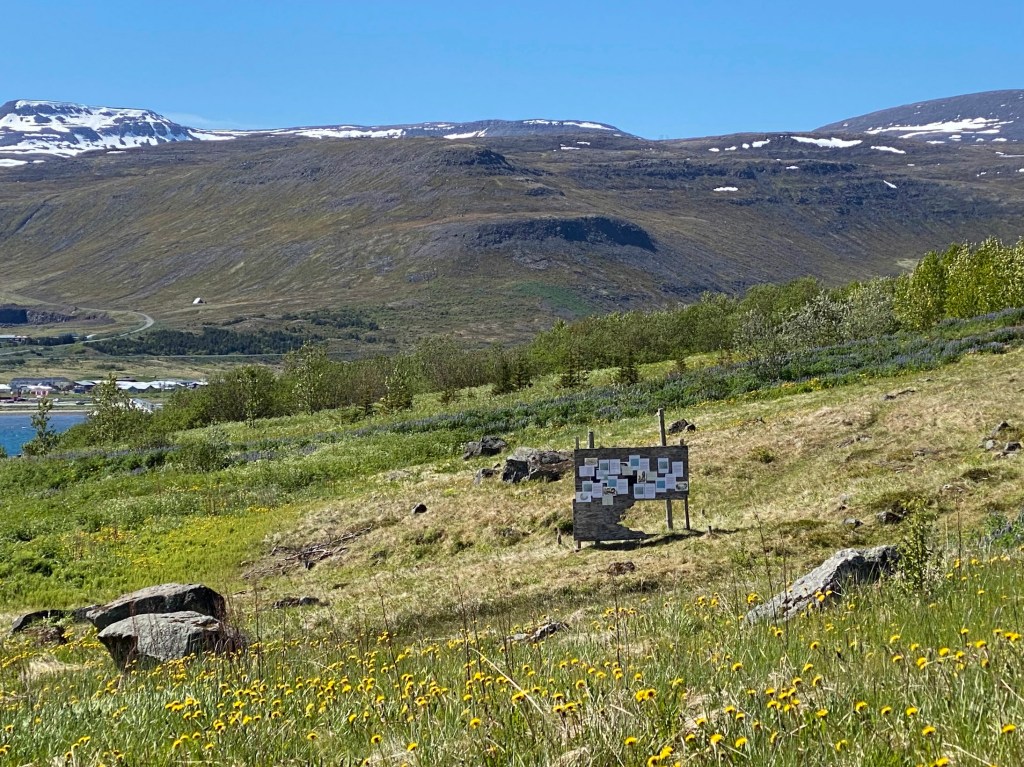


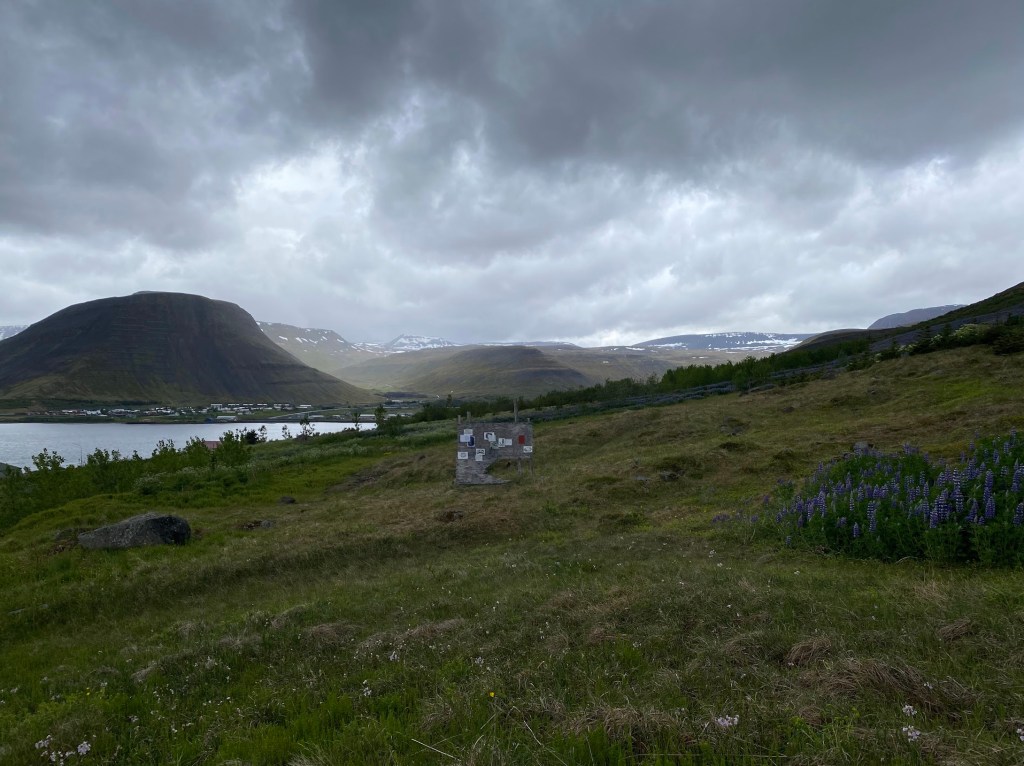
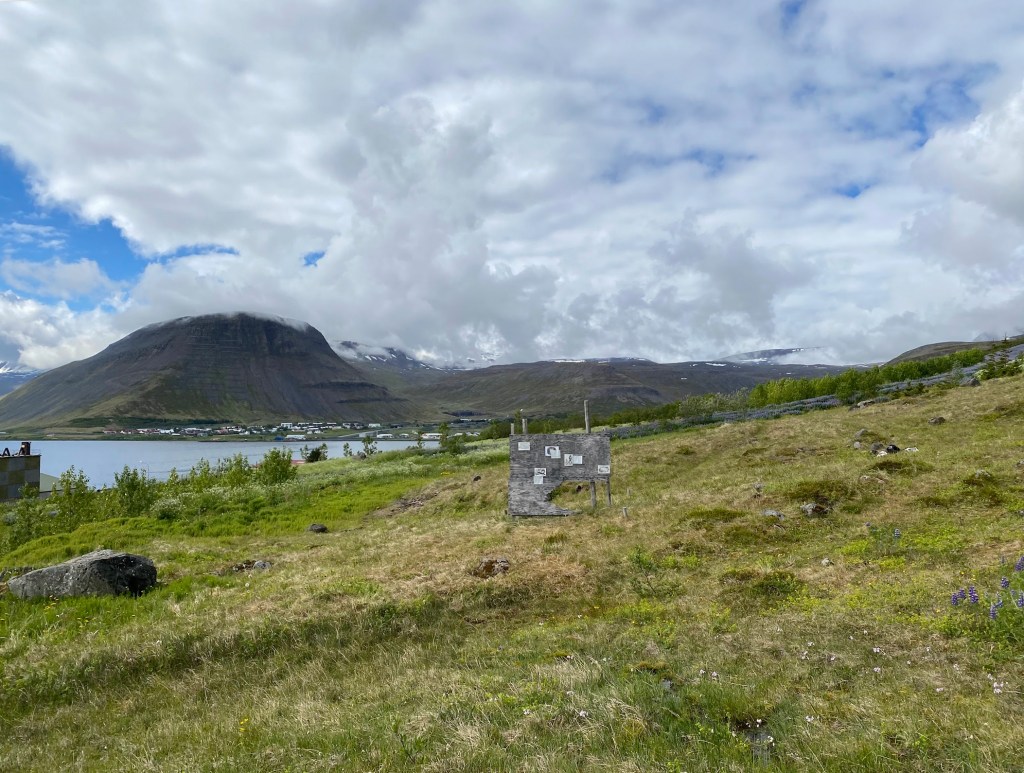
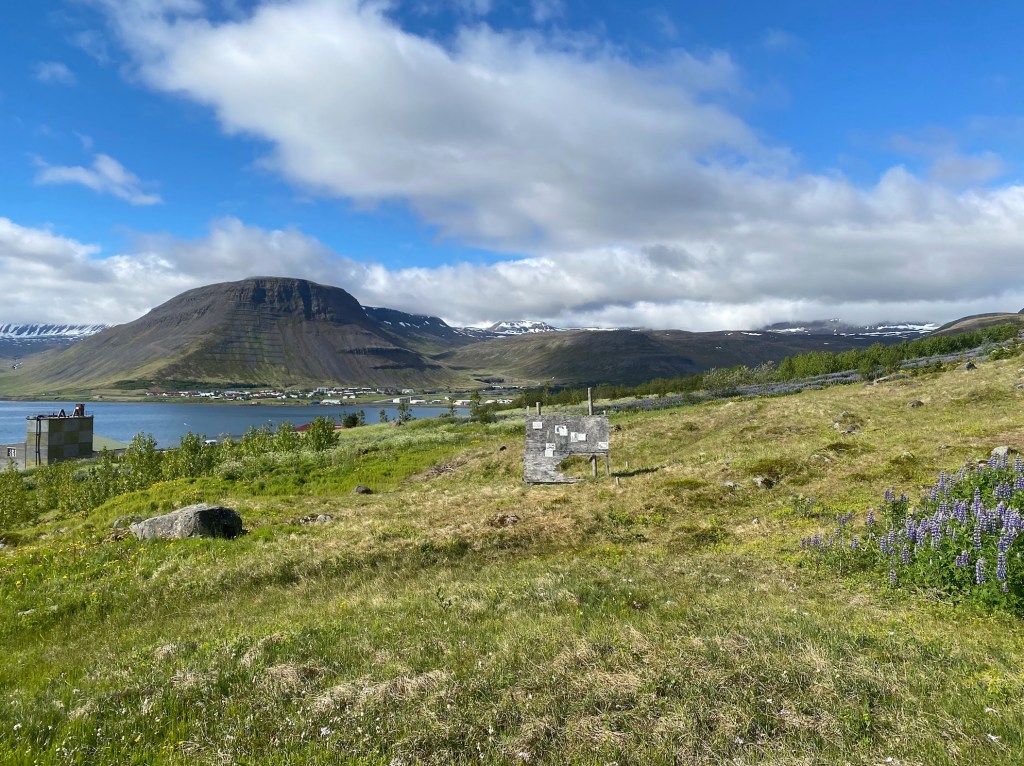

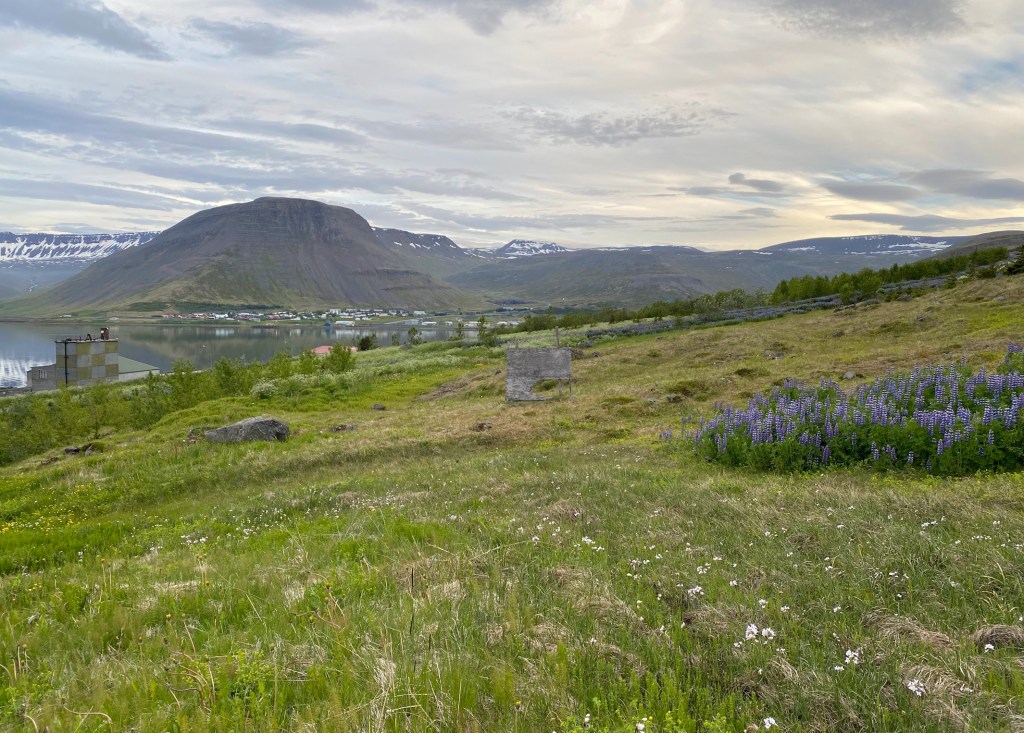
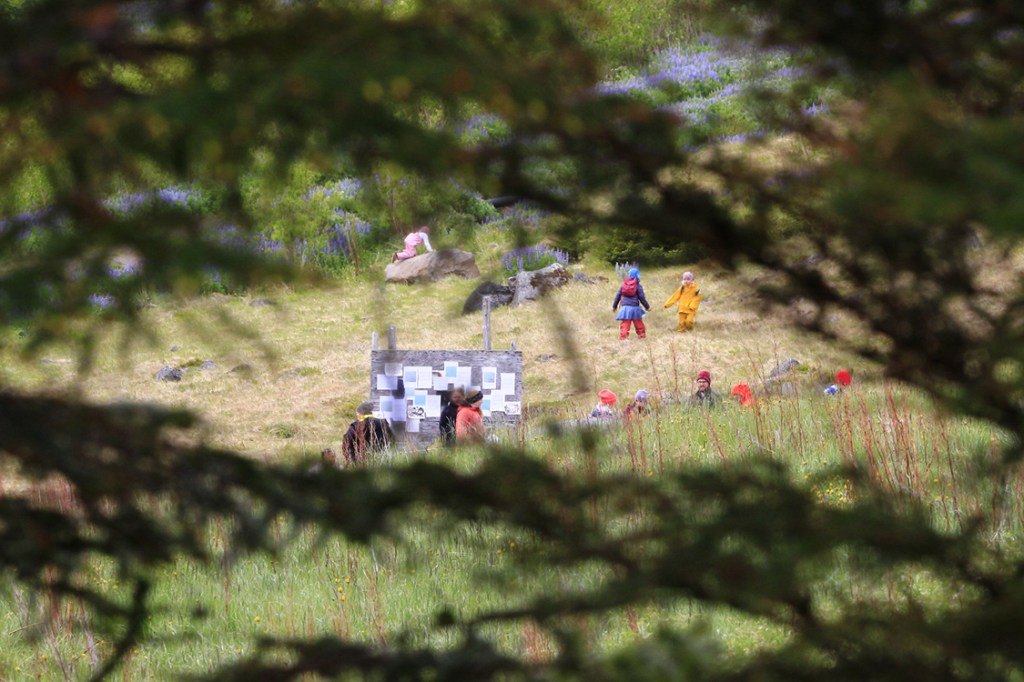
with audience (photo credit: Swen Schmitz Coll (19 Jun 2024))
 singerjung